TIRE SERVICES
Tire Services:
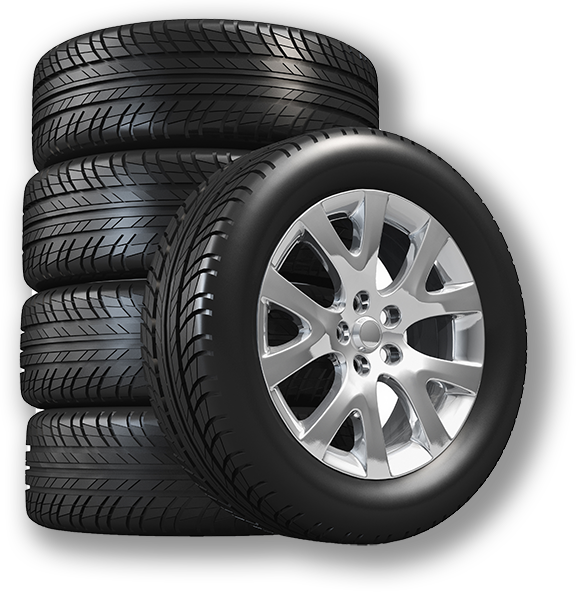
- Tire sales with a wide selection of brands and sizes available through our warehouse.
- Tire mounting and installation for cars, trucks, SUVs, vans, hybrids, and electric vehicles.
- Tire rotation to promote even tread wear and help extend tire life.
- Computerized tire balancing to reduce vibration and provide a smoother ride.
- Inspection and repair of qualifying tread-area punctures using appropriate repair methods.
- Computerized wheel alignments to improve steering response and prevent uneven tire wear.
- Tire-pressure checks and adjustments using the vehicle manufacturer’s recommended specifications.
- Inspection of tire tread, sidewalls, valve stems, and wear patterns for potential safety concerns.
Central Auto Repair Shop provides tire sales and services for cars, trucks, SUVs, vans, hybrids, and electric vehicles. With numerous brands, sizes, and tire types available through our warehouse, our team can help you find options that match your vehicle, driving habits, and budget.
Visit our shop to speak with an experienced technician about your tire needs. We provide new tire installation, rotation, balancing, repair, pressure checks, computerized wheel alignments, and tire-safety inspections. Whether you need a complete set of tires, a replacement tire, or help with a repairable puncture, we’ll help determine the appropriate solution.
Tire Sales:
We can source tires from a wide selection of manufacturers through our warehouse. Available options include all-season, touring, performance, winter, highway, and light-truck tires in sizes for many makes and models. Our team will help you compare available choices based on your vehicle’s specifications, typical driving conditions, performance needs, and budget.
Tire Installation:
Our technicians mount and balance new tires using professional equipment. Proper mounting, inflation, and balancing help provide a smoother ride, promote even tread wear, and reduce unnecessary vibration. We can also perform a computerized wheel alignment when needed to help protect your new tires.
Tire Rotation and Balancing:
Regular tire rotation and balancing can help tires wear more evenly and last longer. Rotation patterns and service intervals vary according to the vehicle, tire type, drivetrain, and manufacturer recommendations. If you notice vibration at certain speeds or uneven tread wear, your tires may need balancing, rotation, alignment, or further inspection.
Tire Repair:
Not every damaged tire can be repaired safely. Our technicians will inspect the location, size, and type of damage to determine whether a repair is appropriate. Qualifying punctures within the tread area may be repairable, while sidewall damage, large punctures, exposed cords, or severe tread wear usually require tire replacement.
Wheel Alignment:
Proper wheel alignment helps maintain steering control, vehicle stability, and even tire wear. If your vehicle pulls to one side, the steering wheel is off-center, or the tires are wearing unevenly, a computerized wheel alignment may be needed. Our technicians align the wheels according to vehicle specifications and inspect related steering and suspension components for wear.
Are your tires safe? Let our team make sure.
Your tires affect steering, braking, ride comfort, and traction in rain, snow, and other changing road conditions. Our technicians inspect tread depth, tire pressure, wear patterns, sidewall condition, and visible damage to help determine whether your tires are safe and road-ready.
Driving habits, road conditions, tire maintenance, wheel alignment, vehicle weight, and tire design can all affect how quickly tires wear. Regular inspections can identify developing problems before they result in a flat tire, poor traction, or unexpected failure.
How do you determine what safe tire tread is for your vehicle?
Checking tread depth takes only a few minutes. A professional tread-depth gauge provides the most accurate measurement, but a quarter can provide a quick general check. Insert the quarter into the tread with George Washington’s head facing downward. If the tread does not reach the top of his head, the tire is approaching approximately 4/32 inch of remaining tread and should be monitored closely.
Tread Depth and Wear:
- 5/32 inch or greater: The tire generally has usable tread remaining, provided it has no other damage or abnormal wear.
- 4/32 inch: Begin monitoring the tire closely. Wet-weather traction may start to decline.
- 3/32 inch: Plan to replace the tire soon, especially before driving in heavy rain or winter conditions.
- 2/32 inch or less: The tire should be replaced immediately because available traction is severely reduced.
Inflation:
Check tire pressure regularly and before long trips. Tires should be inflated according to the pressure listed on the vehicle’s door-jamb label or owner’s manual—not the maximum pressure printed on the tire. Improper inflation can cause uneven wear, reduced fuel economy, poor handling, excessive heat, and tire failure.
Rotation:
Rotate your tires according to the interval recommended by the vehicle or tire manufacturer. Consistent rotation promotes more even tread wear and may help maximize tire life.
Visual Inspection:
Regularly inspect your tires for punctures, cracking, bulges, exposed cords, embedded objects, and uneven wear. Check both the center and edges of the tread, since alignment or inflation problems can cause wear that is not immediately visible.
Trust your tires to the experienced team at Central Auto Repair Shop. We’ll inspect their condition, explain what we find, and help you choose the right repair or replacement option for safer, more confident driving.